
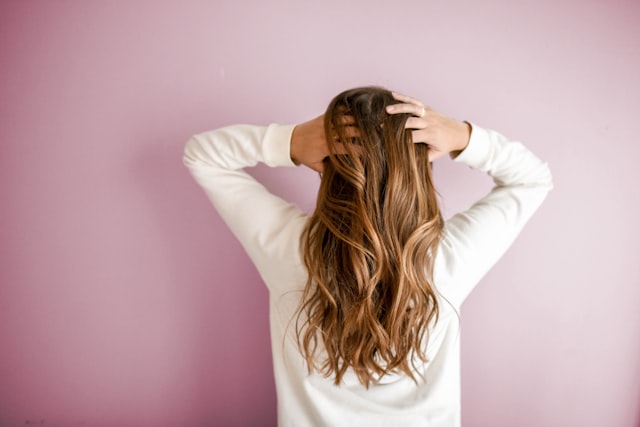
The list of menopausal symptoms is long, but one that often catches women off-guard is hair changes. Your once-thick hair might feel finer, thinner, or more fragile. The parting looks wider. The ponytail feels smaller. And nobody warned you this would happen.
Hair changes during menopause affect around two-thirds of women — yet it rarely gets the attention given to hot flushes and mood changes. Understanding the hormonal connection can help you make informed decisions about what to do.
What Happens to Hair During Menopause?
Oestrogen and progesterone help hair grow faster and stay on your head longer. As these hormones decline during perimenopause and menopause, several things happen:
- Shorter growth phase: Hair doesn't grow as long before falling out
- Finer strands: Each individual hair becomes thinner
- Slower regrowth: New hair takes longer to appear
- Androgen effects: With less oestrogen to balance them, androgens can cause follicle miniaturisation
The result is gradual, diffuse thinning — most noticeable at the crown and along the part line.
Why Some Women Are More Affected
Genetics play a significant role. If your mother or grandmother experienced menopausal hair thinning, you're more likely to as well. Other factors include:
- Thyroid function (often disrupted during menopause)
- Iron levels
- Overall health and nutrition
- Stress levels
- Whether you've had previous hair issues
What Can Actually Help?
HRT Considerations
Hormone replacement therapy can help maintain hair thickness for some women, though results vary. This is a conversation for your doctor.
Nutritional Support
Ensure adequate protein, iron, vitamin D, and zinc. A blood test can identify any deficiencies worth addressing.
Topical Treatments
Some women benefit from minoxidil or other topical solutions — but knowing what's right for your situation requires proper assessment.
Scalp Care
A healthy scalp environment supports hair growth. This is where trichological expertise becomes valuable.
Getting Expert Assessment
Menopausal hair changes can mask other issues — thyroid dysfunction, iron deficiency, or existing pattern hair loss that's become more noticeable. A trichoscope examination can see what's happening at follicle level and identify the best approach for your specific situation.
At Solent Trichology Clinic in Gosport, clinic founder Deborah has Harley Street experience and understands the complexity of hormonal hair changes. Consultations include detailed scalp examination and honest, personalised advice.
The Bottom Line
Menopausal hair thinning is common but not inevitable — and definitely not something you have to accept without exploring your options. Professional assessment can clarify what's happening and what might help.
📞 Phone: 07904 268599
🌐 Website: solenttrichologyclinic.co.uk